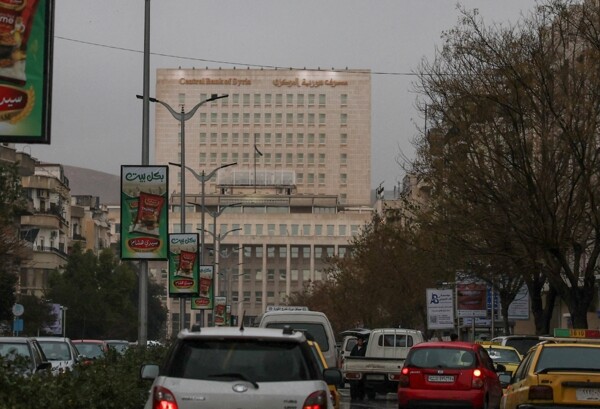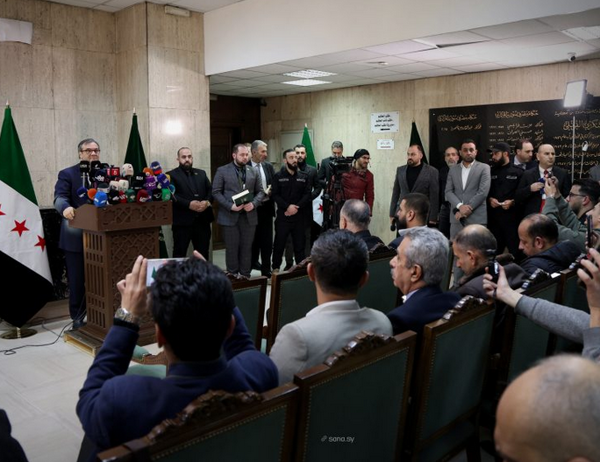
In the context of the ongoing crisis in Syria since 2011, the country's economy is facing new challenges in seeking ways out of a difficult position. The future of the Syrian economy, similar to that of the country as a whole, is uncertain. The question of defining a model or identifying this economy appears to be extremely urgent, and a convincing answer is sought. Recently, local economic circles have increasingly discussed the possibility of adopting a model of a free economy, which could accelerate the integration of the local economy with regional and global partners. Over the decades, the country has followed a socialist economic model, where the government played the role of a protector with various naming conventions, including "social market economy." But is a transition to a free economy possible, and how realistic is it? This question is becoming more and more relevant.
**Quote:** "It is important to identify the moment when the country is ready to transition to a new economic model that will foster business development, the creation of jobs, and attract investments with national and international participation," note economists.
Experts call for a discussion and analysis of various aspects of the transition to a free economy, including changes in legislation, methods of attracting investments, the organization of financial markets, and ensuring transparency. It is believed that a transition to a free economy requires serious efforts from all stakeholders, including government, business communities, and society as a whole.