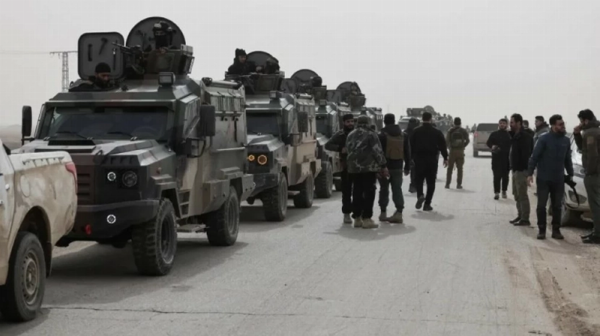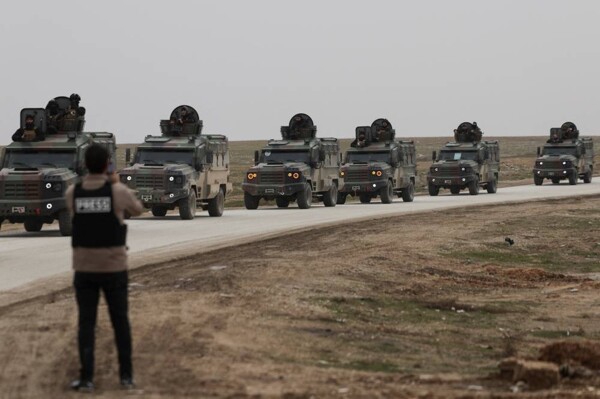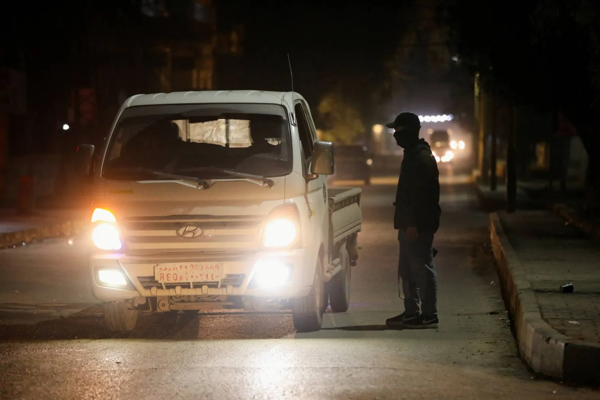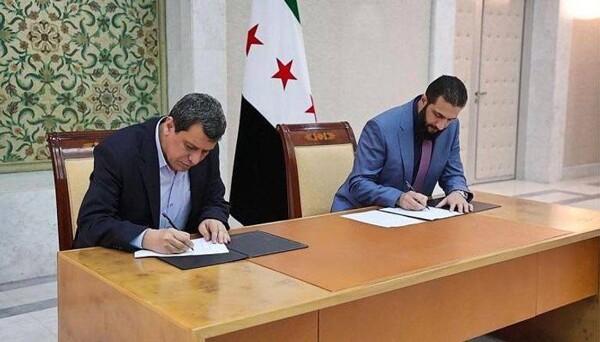
In 2025, specific complaints accumulated regarding confiscations and evictions in Ras al-Ayn and Tal Abyad, as well as “forced changes” to the social composition in Afrin districts, a concept Syrian and human rights organizations have already termed “demographic engineering.” In parallel, administrative integration is advancing through economic and civil channels: municipalities and local councils coordinate with Turkish border governorships; schools adopt curricula and materials provided by Turkey; and Turkish telecom, banking, and postal companies operate key services. For local communities, this means greater predictability in basic services, but also increased exposure to abuses and disputes over land and housing; for Damascus, it means the consolidation of spheres of influence that complicate an orderly reintegration; and for Ankara, a sustained cost in resources, reputation, and diplomatic friction. The core criticism is that security is outsourced to militias with predatory incentives, while the civil administration responds to Ankara's directives without local institutional checks and balances. In the regional arena, the open dialogue in 2025 between Ankara and the new Syrian administration introduced a new vector: Turkey offered to cooperate in managing ISIS camps and prisons and, publicly, conditioned any reconsideration of its presence on guarantees that Syrian territory “will not be a platform for threats.” The UN Commission of Inquiry again warned that the fragmentation of control and the expansion of armed actors with weak discipline lead to cycles of violence that disproportionately punish civilians. The underlying question remains open: either Ankara transforms its “safe zone” into an occupation regime compatible with international law—with effective control over its allied forces, victim reparations, and property guarantees—and agrees on a negotiated timeline for withdrawal; or northern Syria will remain trapped in a “low-intensity normality,” where administrative stabilization coexists with chronic abuses and silent displacements. In both scenarios, the international community is complicit: without robust monitoring, accessible complaint mechanisms, and coordinated pressure to respect standards, the promised security will remain, for many, another form of vulnerability. On the ground, this continuity translates into parallel governance structures, the widespread use of the Turkish lira, and a security mesh dependent on local militias, which, according to independent organizations, sustain a pattern of arbitrary arrests, extortion, and property appropriation. The official Turkish narrative insists on “safe zones” to neutralize YPG/FDS threats—which Ankara equates with the PKK—and facilitate refugee returns. Beneath this lies a power equation: Russia and the US retain veto power in the northern strip, while refugee returns—growing since late 2024—are occurring into zones of heterogeneous control, with risks of de facto refoulement without judicial and livelihood guarantees. The 2025 balance is clear: the extension of Turkey's military mandate and the densification of administration in northern Syria indicate a prolonged status quo. This process consolidates “fait accomplis” that, in the view of jurists and international bodies, strain the law of occupation: if there is “effective control,” strict obligations apply to protect the civilian population, respect private property, and refrain from population transfers that alter the demographic fabric. Buenos Aires, November 9, 2025 – Total News Agency-TNA-Nine years after “Euphrates Shield” and with “Olive Branch” and “Peace Spring” as milestones of successive incursions, Turkey maintains troops and de facto control over northern Syrian strips—Al-Bab, Azaz, Jarabulus, Afrin, Tal Abyad, and Ras al-Ayn—through alliances with factions of the so-called Syrian National Army (SNA). Far from a withdrawal, Ankara reinforced its presence: Parliament approved the longest extension since 2016 to operate in Syria and Iraq, cementing for another three years the domestic legal basis for its foreign deployment. However, recent reports document what victims and witnesses describe as an ecosystem of impunity: arbitrary arrests, torture, disappearances, and looting committed by SNA brigades in occupied areas, with weak accountability mechanisms.