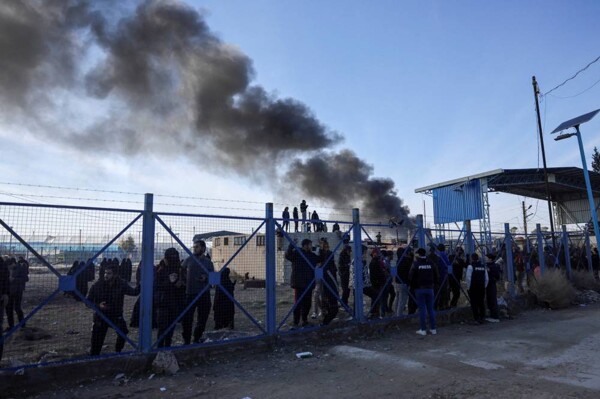
In the heart of Syria's capital, the Syrian General Security Office has been a key target in a series of attacks. The Al-Kiswah area, known for housing strategic military facilities, has been the scene of five bombings. Additionally, there have been reported attacks in Damascus, according to Iraqi media such as the Sabrin channel.
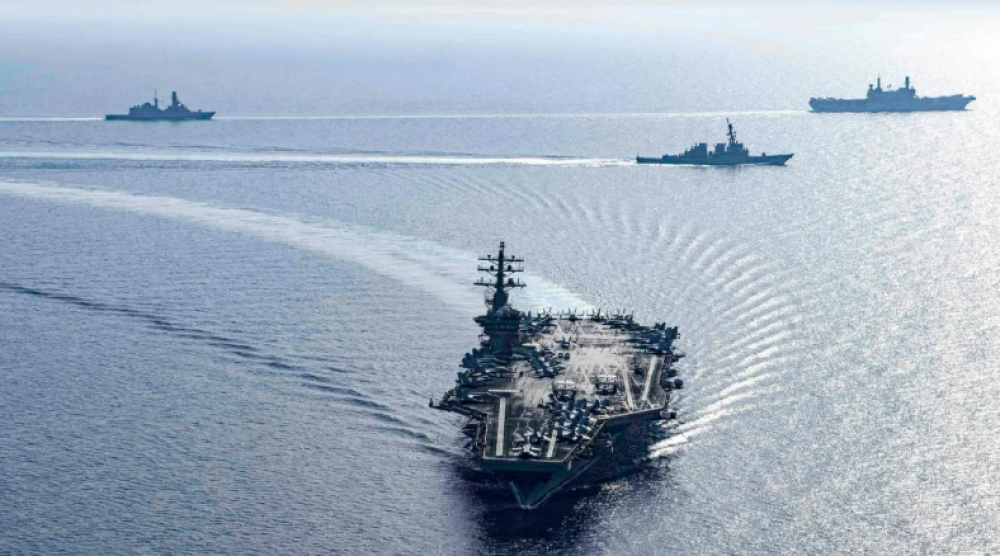
The Israeli escalation in Syria seems aimed at weakening Iranian influence in the region, which has increased the risk of retaliation from Tehran. In Yemen, the United States launched airstrikes on the presidential palace in Sana'a and several key Houthi positions, prompting an immediate response from the latter, who fired ballistic missiles at a U.S. aircraft carrier in the Red Sea.
The Iranian regime is on high alert, with Ayatollah Ali Khamenei ordering its armed forces to be prepared for any eventuality. Tensions in the region have been exacerbated, with propaganda videos flooding Iranian social media, simulating missile attacks on U.S. military bases.
In a statement to the UN Security Council, Tehran has denied supplying weapons or military technology to the Houthis and claimed that this group's actions in Yemen are independent. Amid unprecedented military movements in the region, the Middle East stands on the brink of a historic regional conflict.
Tensions with the United States and Israel continue to rise, with a U.S. reconnaissance drone intercepted near Iranian airspace. As the parties involved move toward a possible direct conflict, the international community watches with alarm. Washington, Tehran, and Tel Aviv harden their positions while the world remains attentive to developments.
Israel has intensified its attacks in Syria, targeting key infrastructures in and around Damascus. The region finds itself in a state of maximum tension, with military movements, confrontations, and cross threats raising fears of even greater escalation in the region.