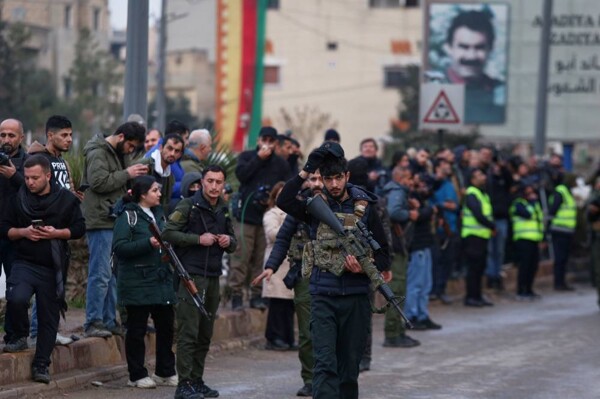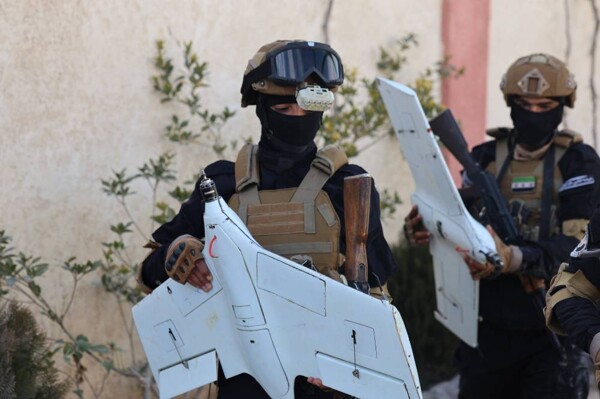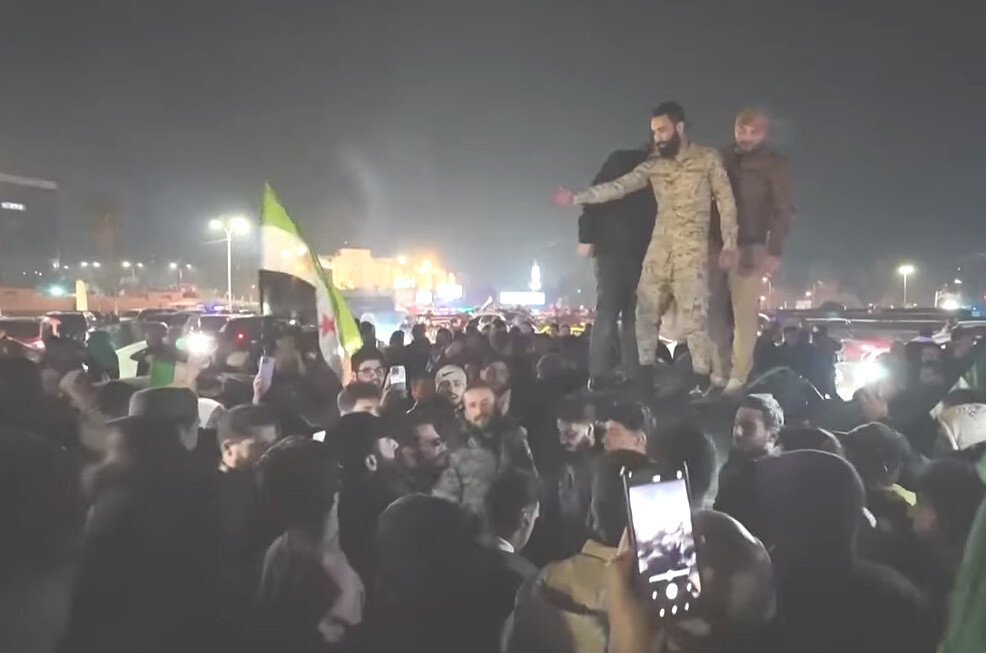
Ahmed al-Sharaa, also known as Abu Mohamad Al Jolani, with origins in Islamic terrorism, has presented himself as a civilized leader while being assessed by great powers. He advanced through the streets of Damascus in 2011, after the forces loyal to the dictator Bashar al-Assad disappeared. Upon returning to Syria, the country was already engulfed in conflicts. Sharaa proclaimed himself the ruler of Syria after the fall of Damascus, challenging Assad and his regime.
His childhood in Damascus gave him a unique perspective, balancing his father's opposition to the Assads with bureaucratic work in the government. In his inaugural speech as leader, he avoided mentioning the word "democracy" and surrounded his government with former insurgent commanders. He resisted ISIS in 2013 by breaking with Al Qaeda and gained autonomy. His rise was rapid, but his control in Syria remains fragile, with echoes of his jihadist past resonating in his administration.
Sharaa has been described as extremely intelligent, adaptable, and ruthless. After taking Damascus in December 2024, his image has begun to change. He established alliances with key rebel groups and negotiated with states, consolidating himself as a political actor. With the province of Idlib secured, Sharaa focused on expanding his territory and reinforcing his position in Syria.
Born in Saudi Arabia in 1982, in a family with lineage to the prophet Muhammad, Sharaa studied strategies and applied a pragmatic approach in his leadership of Jabhat al-Nusra. Despite being captured and spending time in prison, he emerged as an influential leader in the region, seeking to rewrite the history of Syria amidst the massacre that has taken place.
His group, Hayat Tahrir al-Sham (HTS), distanced itself from Al-Qaeda's influence, consolidating a proto-state and attracting the attention of international powers like Washington. Sharaa, under constant evaluation, has demonstrated pragmatism and the ability to adapt to changing circumstances in Syrian politics.